
Description
COURSE DESCRIPTION
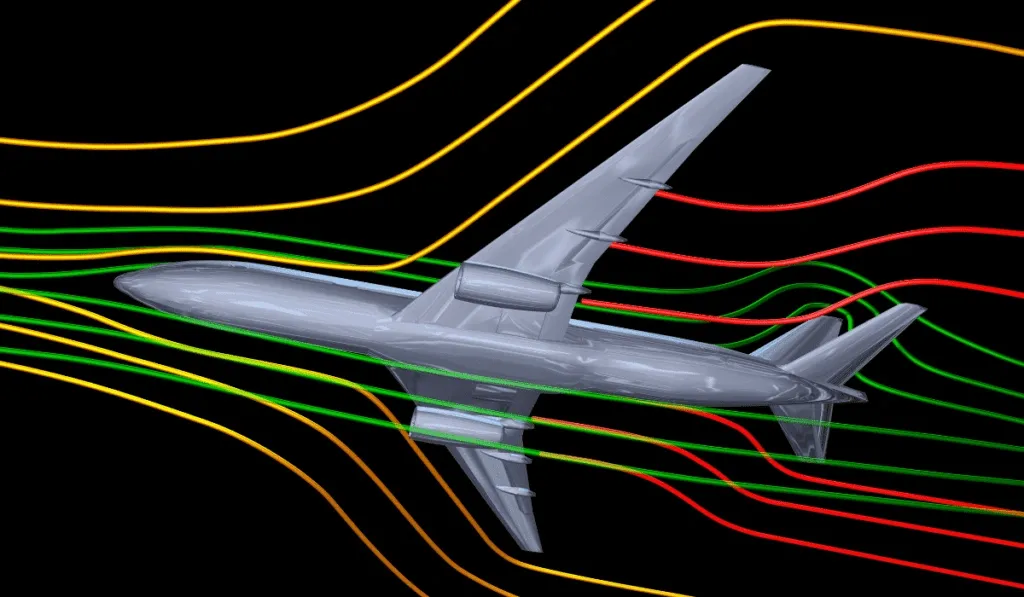
Basic Aerodynamics explains how and why an aircraft is able to fly by studying the forces, principles, and airflow behaviors that act on an airplane in motion.
Flight Phases & Aerodynamics
Each phase uses different aerodynamic principles:
-
Takeoff: High thrust + high AOA for maximum lift
-
Climb: Balancing lift and thrust
-
Cruise: Lift equals weight; thrust equals drag
-
Descent: Weight becomes the dominant force
-
Landing: High drag, low speed, careful AOA control
Requirements
-
Every aircraft in the sky is controlled by four main forces:
✈️ Lift
-
The upward force that keeps the plane in the air.
-
Created by the wing’s shape (airfoil) as air moves faster over the top and slower underneath.
-
Higher speed = more lift.
⬇️ Weight (Gravity)
-
The downward force pulling the airplane toward Earth.
-
The aircraft must generate enough lift to overcome its weight to climb.
-
-
➡️ Thrust
-
The forward force produced by the engine or propeller.
-
More thrust makes the airplane accelerate and generate more lift.
⬅️ Drag
-
The backward force resisting motion through the air.
-
Caused by the aircraft’s shape and friction with the air.
Flight happens when:
Lift > Weight and Thrust > Drag -


There are no reviews yet.