
Description
COURSE DESCRIPTION
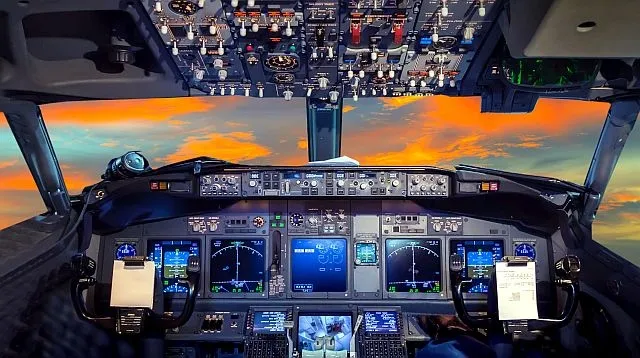
Aircraft systems are the mechanical, electrical, hydraulic, and electronic components that allow an aircraft to operate safely, efficiently, and reliably. These systems support flight, navigation, communication, propulsion, and passenger comfort.
Understanding aircraft systems is essential for pilots, maintenance technicians, and aviation engineers.
Requirements
-
Flight Control Systems
These systems allow the pilot to control the aircraft’s attitude and direction.
Primary Flight Controls
-
Ailerons: Control roll (tilt left/right)
-
Elevator: Controls pitch (nose up/down)
-
Rudder: Controls yaw (nose left/right)
Secondary Flight Controls
-
Flaps: Increase lift for takeoff/landing
-
Slats: Improve airflow over wings at low speeds
-
Spoilers: Reduce lift and help slow the aircraft
-
Trim tabs: Reduce pilot effort to maintain control
-
-
Landing Gear System
The landing gear supports the aircraft on the ground.
Types
-
Fixed gear: Always extended, simple design
-
Retractable gear: Folds into fuselage or wings for aerodynamic efficiency
Components
-
Shock absorbers
-
Brakes (hydraulic or electric)
-
Steering mechanisms (nose wheel or tail wheel)
-
What is the target audience?
-
Importance of Aircraft Systems
Aircraft systems ensure that:
-
The aircraft is safe and controllable
-
Engines produce reliable thrust
-
Flight and navigation instruments work accurately
-
Passengers and crew remain comfortable
-
Emergency situations are managed effectively
-

There are no reviews yet.